



NASCAR found itself at the center of another controversy following Sunday’s YellaWood 500 at Talladega Superspeedway, as officials revealed just how close they came to handing out black flags to a large portion of the field.
The controversy came from an aggressive fuel-saving strategy that caused drivers to slow down significantly during the opening stage. While saving fuel can provide a major advantage at superspeedways, the pace became slow enough that NASCAR officials felt they needed to intervene.
NASCAR Warned Teams About Potential Black Flags
NASCAR vice president of racing communications Mike Forde explained on the organization’s Hauler Talk podcast that approximately 75% of the field had fallen below the required minimum speed at one point during Stage 1.
Officials sent a message to teams warning them to increase their pace or face potential penalties. The warning worked, and drivers picked up the speed before NASCAR issued any black flags.
The situation raised questions about how far teams should be allowed to push fuel-saving strategies before they begin affecting the quality of the racing.
Fuel mileage has become an important part of superspeedway competition, where drivers often try to stretch their fuel loads to gain an advantage during pit stops. However, Sunday’s situation showed that NASCAR has limits when it comes to how slowly cars can circulate around the track.
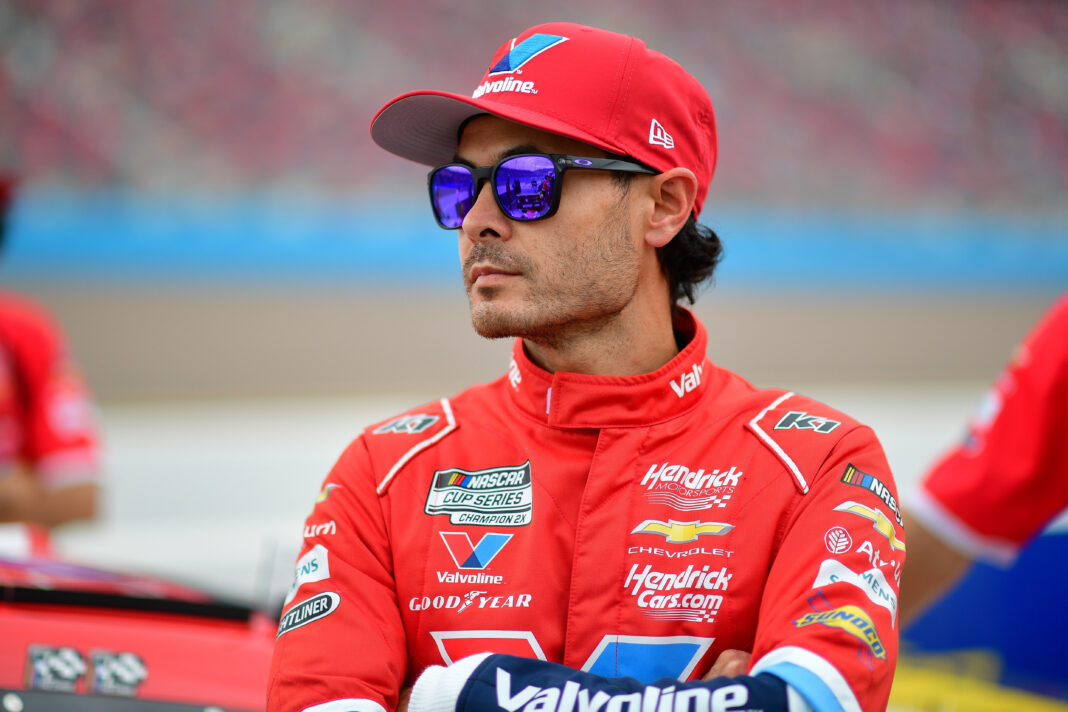
Kyle Larson’s Finish Adds to the Controversy
The black-flag discussion was not the only officiating debate to emerge from Talladega. Kyle Larson’s dramatic victory also sparked controversy over whether his car went below the double yellow line during his final-lap charge.
NASCAR reviewed the incident and determined that Larson’s tires had not crossed completely below the line. Officials explained that a portion of the tire remaining on the line meant the move did not warrant a penalty.
The decision preserved Larson’s victory over teammate William Byron, but it also drew criticism from drivers and observers who questioned the consistency of the rule’s enforcement.
NASCAR Faces Questions Moving Forward
With fuel-saving tactics and the yellow-line rule both generating discussion, NASCAR has plenty to consider as the season approaches its conclusion.
The black-flag warning demonstrated that officials were prepared to intervene when the racing pace became unacceptable. However, the weekend also highlighted the importance of clear and consistent rule enforcement.
As the championship battle continues, teams will be watching closely to see how NASCAR handles similar situations in the races ahead.