

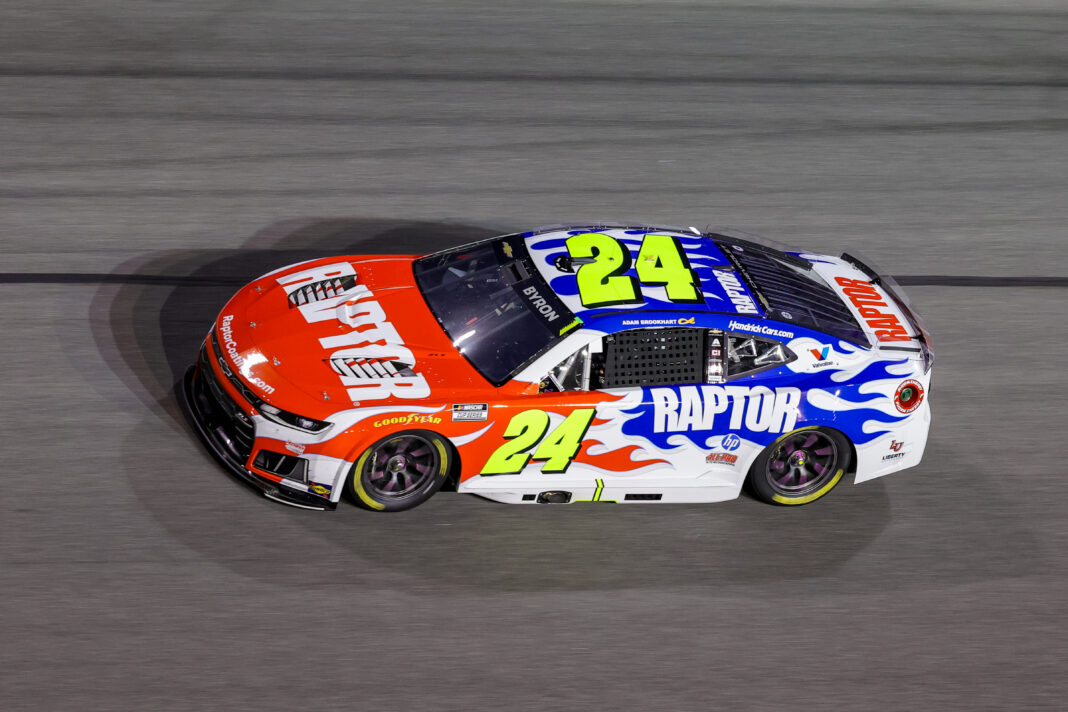


NASCAR is giving fans and drivers exactly what they asked for: more speed. The sanctioning body rolled out a new set of rules on November 20, 2026, that will change how the Next Gen Cup Series cars perform next year, according to AutoRacing1.com. The biggest change is a jump in engine power, which will make the cars faster on most tracks. Mark Cipolloni reported for AutoRacing1.com that these updates are set to take effect for the 2027 season. The goal is simple. Put more power into the engines and let the drivers show their skill. The move to put more power into the engines aligns with what fans have been shouting for years. They want to see cars that race hard and go fast.
The new rules target intermediate tracks first, which are usually one to two miles long. These tracks will see a boost from 670 horsepower up to 750. This change starts with the Coca-Cola 600 at Charlotte Motor Speedway on May 30, 2027. It brings these tracks in line with short tracks and road courses that already ran at 750 hp last season. The same tapered spacer will control the output. North Wilkesboro Speedway hosts the non-points All-Star Race one week prior to Charlotte. That event will test an experimental 800-horsepower package. This high-horsepower setup will pair with low-downforce aero rules. NASCAR and engine builders will watch the race quality and reliability closely. If the industry feels safe, that 800-hp level could spread to other short tracks and road courses by August, starting with the Bristol night race.
Power Push and Superspeedway Shifts
John Probst, president of NASCAR Event Management, observed that fans, drivers, teams, and other stakeholders clearly demanded more power. Drivers like Christopher Bell and Ryan Blaney had praised the direction of recent power increases. According to them, increased horsepower enhances throttle control and generates more overtaking and retreating opportunities. Following last season’s mid-year cut to 465 hp, superspeedway race packages stay mostly the same. That change used smaller spoilers and less drag to improve drafting. Yet, qualifying sessions at Daytona and Talladega will employ a higher-output configuration ranging from 510 to 530 hp. This will use a narrow 2-inch spoiler to aim for 200 mph-plus speeds. EchoPark and all other superspeedways will shift qualifying from a two-round structure to a single timed lap.
Tires, Strategy and New Boundaries
NASCAR is also updating competition rules and refining the Next Gen platform beyond engine changes. Splitter stuffers, underbody components introduced early in the Next Gen era to address pitch sensitivity, will be eliminated at road courses and short tracks. Since teams now know the car well, this adjustment ought to boost nose predictability while introducing additional setup variability. More aggressive tire management and wear will be encouraged by softer Goodyear compounds. On ovals, when wet conditions are declared by NASCAR, crew chiefs rather than officials will choose between slicks and treaded tires. This matches road-course rules. Current team owner points determine rainout or incomplete qualifying lineups, with the exception of the Daytona 500. This drops the previous performance-metric formula. On superspeedways, a car is considered out-of-bounds once its left-side tires sit below the left line of the inside wall.
The shift to higher horsepower changes the dynamic of the entire season. Drivers must manage their throttle with more care. The old way of just holding the pedal down won’t work as well on intermediate tracks. The move to a single timed lap at superspeedways removes the safety net of a two-round format. One bad lap means the driver is out of the running. This puts pressure on teams to get their setups right the first time. The experimental 800-hp package at North Wilkesboro is a bold test. If it works, it could define the future of short-track racing. The removal of splitter stuffers suggests the car is mature enough to handle less aero help. It shows NASCAR trusts the drivers and teams to find the balance without extra parts. Soft tires mean pit stops will matter more than ever. Crew chiefs now have the final say in the rain, which speeds up decisions during storms. These changes favor the bold. They favor the teams that can adapt fast. The 2027 season promises to be wilder and more intense than the year before. The first race of this new era kicks off at the Freedom Factory on Saturday, February 6, 2027, where Dale Earnhardt Jr. is expected to compete in the CARS Tour.