

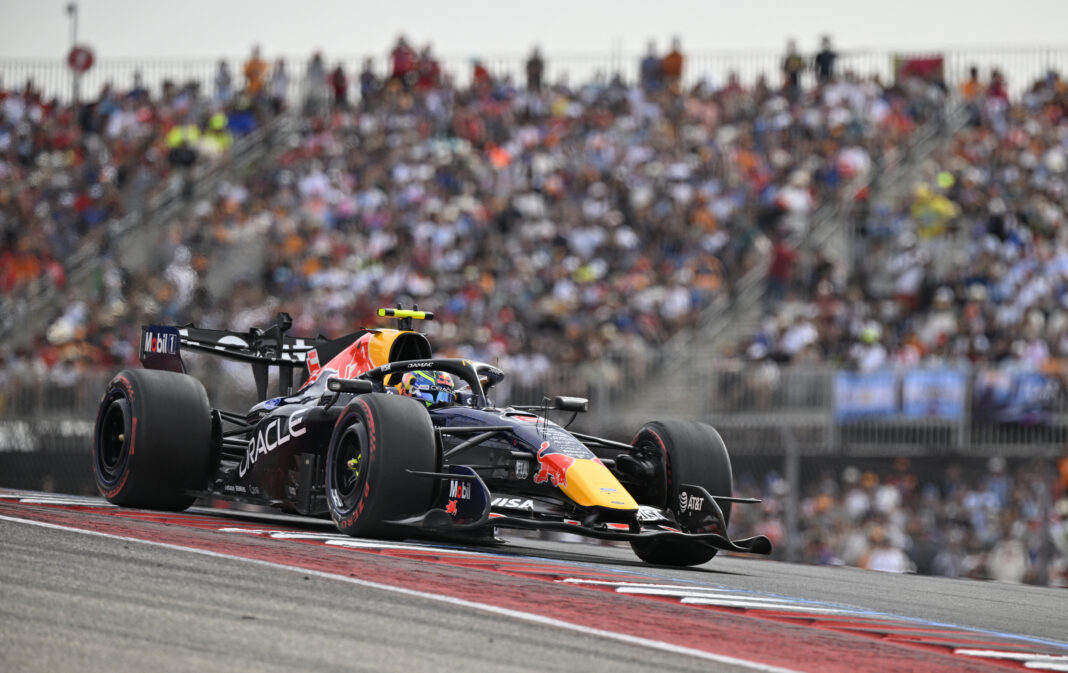


The air in Mexico City is thin, and the new 2026 rules make it even harder for engines to breathe. At 2,286 meters above sea level, the Autodromo Hermanos Rodriguez sits higher than any other track on the calendar. This weekend, teams face a unique problem because the MGU-H, a part that helped fix turbo lag, is gone. Without it, the turbochargers must spin much faster to get oxygen into the engine, creating heat and stress that could break parts or slow the cars down.
Mercedes driver Kimi Antonelli arrives here with a massive lead in the standings after winning in Austin. He needs to finish ninth or better on Sunday, November 1, to lock up his first world title. While the championship race is tight, the engineering battle is just as fierce. Honda chief engineer Shintaro Orihara told Motorsport.com that the loss of the MGU-H changes everything for the power units. He noted that last year the system provided support, but now the team must handle the lag on its own.
The Turbo Challenge at High Altitude
Thin air means fewer oxygen molecules for the engine to burn. In the past, the MGU-H helped counteract the delay when the driver pressed the gas pedal. Now, that safety net is gone. Shintaro Orihara explained the shift to reporters, stating, “Last year, we had the MGU-H, so we had some support from MGU-H, but this year we don’t have the MGU-H anymore, so that makes it quite challenging.” The turbo has to work harder and spin faster to build the same pressure, which pushes the metal to its limit. If the boost fails, the engine loses power, and the car cannot keep up with the pack.
Teams tried to fix this issue during the United States Grand Prix in Austin. They brought new parts to test the changes, and the results looked promising. However, the high altitude of Mexico City is a different beast entirely. Orihara warned that even with those fixes, the conditions here are unique. “So in Austin, we have brought some countermeasures for turbo lag, and we have confirmed the effect of those on the lag. That was quite positive for us before coming to here,” he said. The real test happens now, where the thin air creates a struggle that no one has solved yet.
Drivers Lose Grip Without Active Wings
The problem is not just under the hood; it is also on the track. The new 2026 regulations include active aerodynamics, which means cars use one fixed wing setting instead of adjusting to the air. This removes the ability to add downforce to fight the lack of grip at high altitude. Max Verstappen, a Red Bull driver, explained the difficulty to the media. He said, “Here is a lot less grip. With the altitude, we normally have the wings to compensate a little bit for that, but now you basically just run one wing.” Without extra grip, the tires slide more, making it hard to turn the car at speed.
Mercedes is in a strong position to win the constructors’ title if they outscore Ferrari by 39 points this weekend. But the mechanical stress on the engines could change the outcome. If a team cannot manage the turbo lag, their car might lose power at the worst moment. The engineers in Sakura are working hard to improve the situation, but the track will decide who wins. Orihara emphasized that the team must see how the car behaves in practice before they can make final calls. “But even after we saw some positive signs in Austin, this is still completely different for us [with the altitude]. So it’s quite important to see how our car behaves in free practice,” he added.
Celebrating a Mexican Legend at Home
While the engineers fight the physics, the fans celebrate a home hero. Sergio Perez is making his 300th Grand Prix start, a rare milestone that only seven drivers in history have reached. He drives for Cadillac, a new American team that joined the grid this year. General Motors president Mark Reuss praised the driver for his skill and character. Reuss told the press, “It’s an honour to have him.” Perez has spent the week in Mexico City, visiting staff and running a demonstration on the Paseo de la Reforma to honor the fans.
Reuss noted that Perez and his teammate Valtteri Bottas have given the new team vital feedback to build the car. He said they are very different drivers, but both show great professionalism. “Any driver in any series is always, if they’re really good, very different,” Reuss revealed. As the sun sets on Friday, the focus shifts to the track. The first practice session starts at 2:30pm ET on Friday, October 30. This is the moment to see if the new rules break the engines or if the teams can find a way to win.